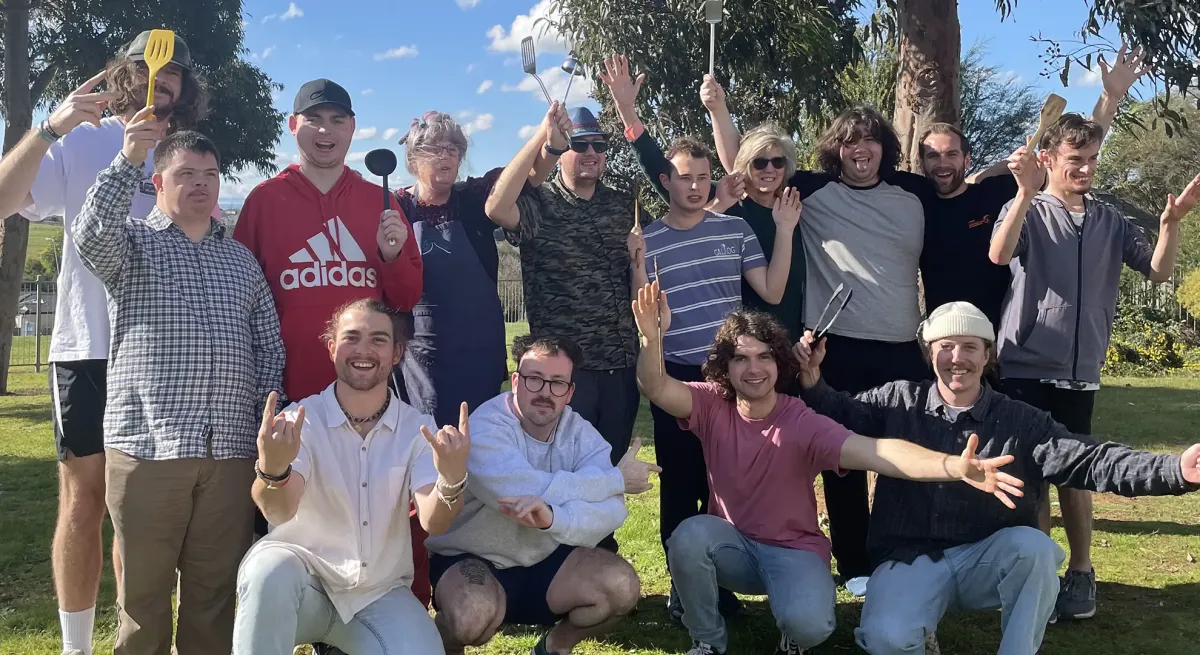
For people living with disability, mental health challenges like anxiety, depression and social isolation can be an ongoing reality. Too often, traditional support models focus on physical care, leaving emotional wellbeing overlooked. But there’s a growing understanding that adventure can be a powerful and transformative tool in supporting mental health for people living with disabilities.
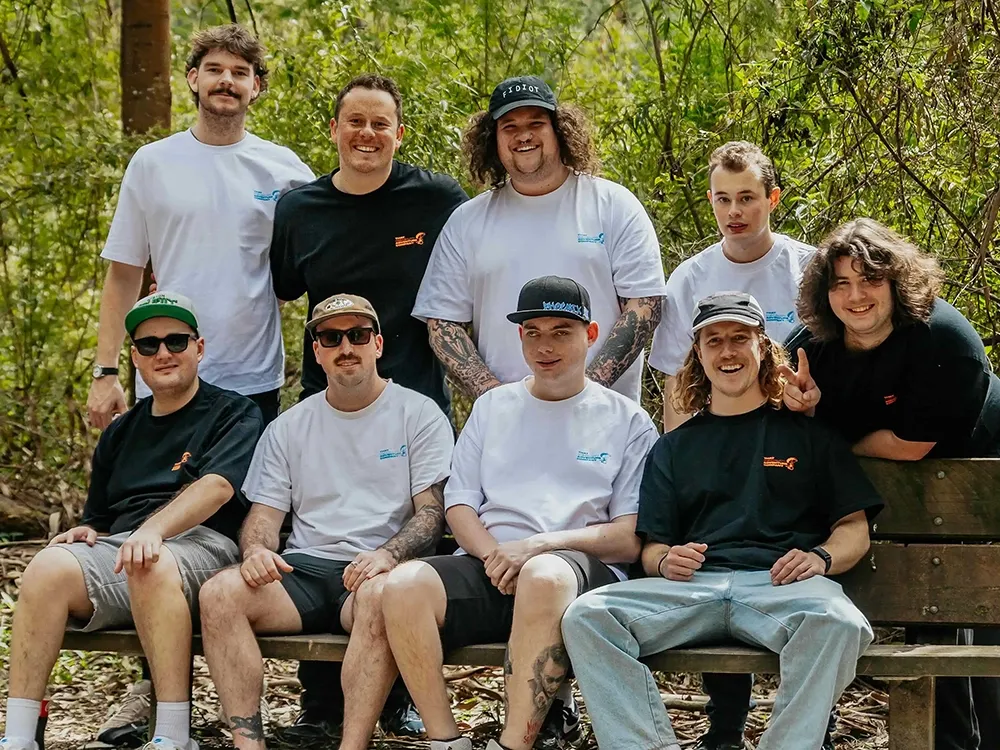
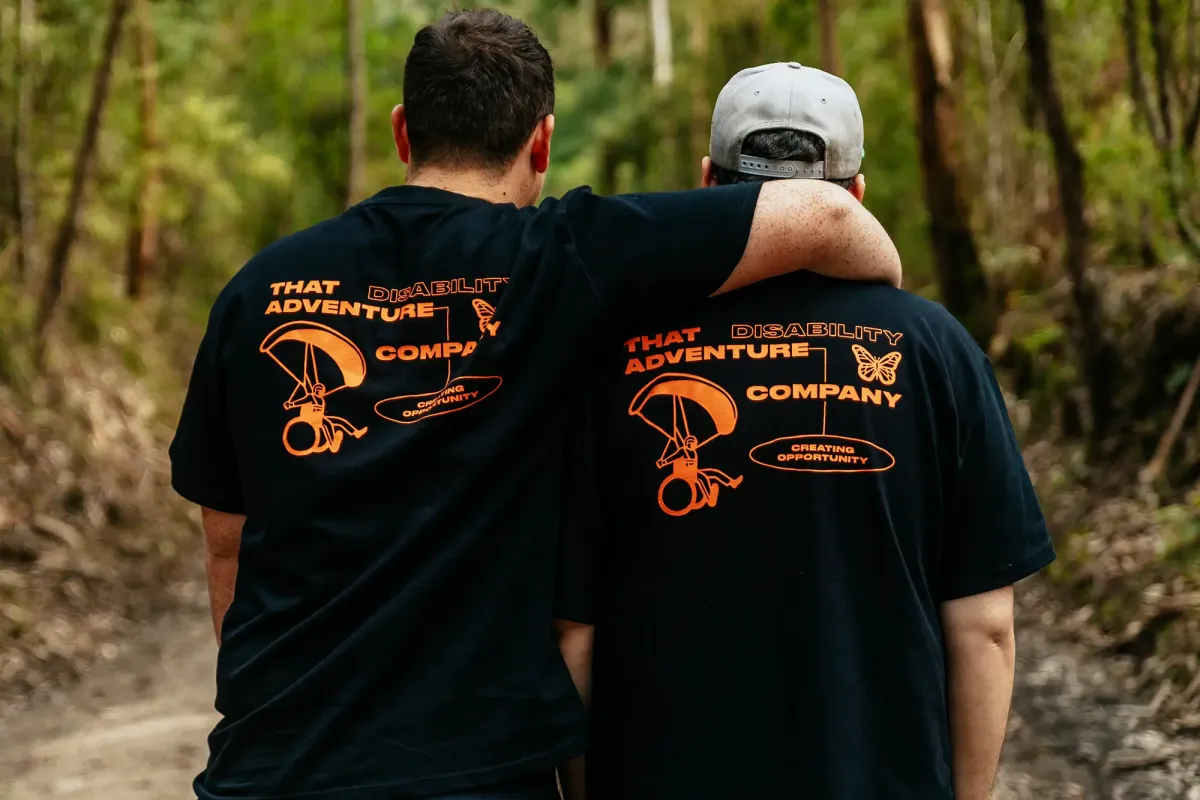
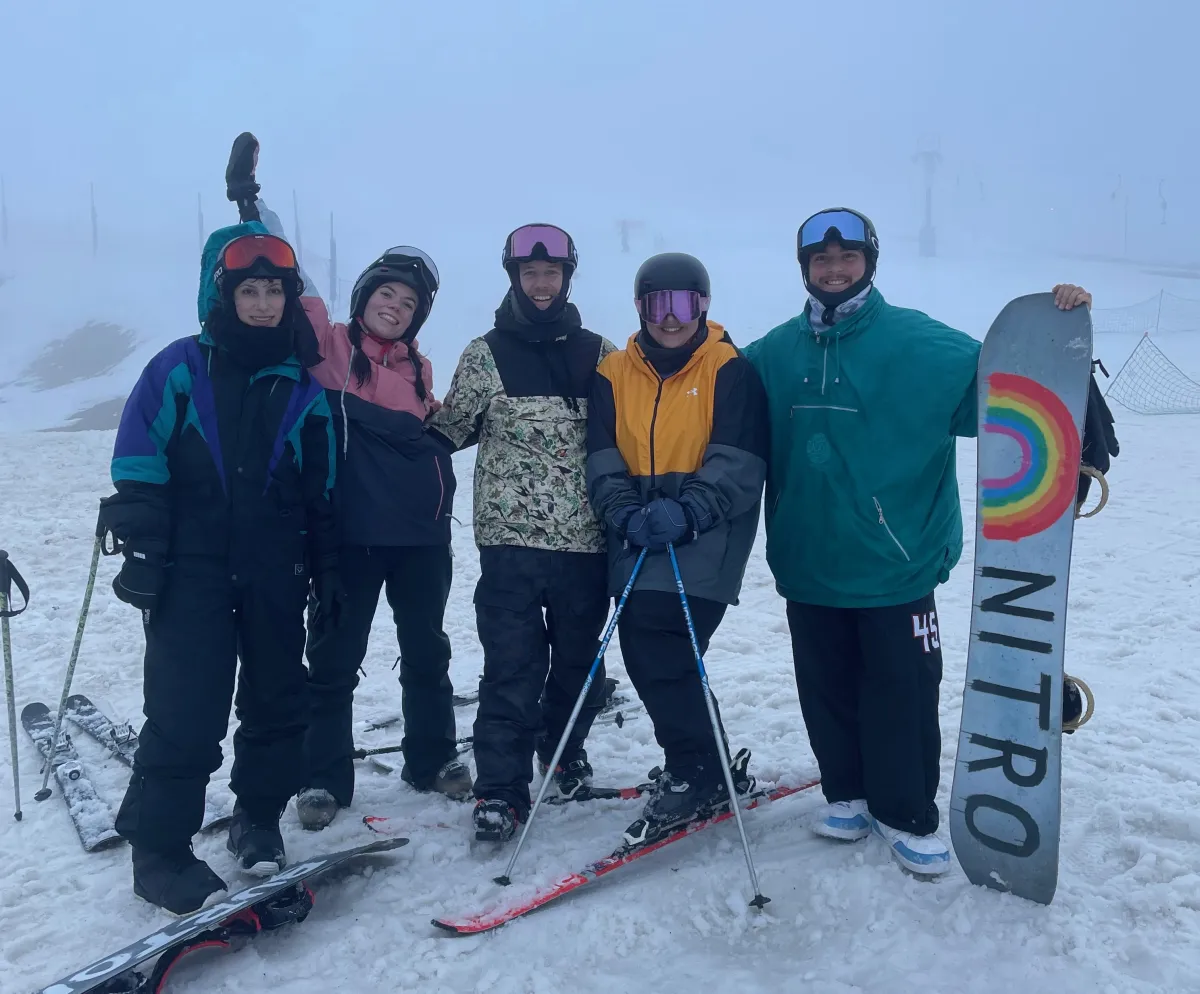
At TDAC, we’ve seen firsthand how outdoor adventures support not just the body—but the mind too, bolstering our belief that adventures – no matter how big or small – can be a powerful tool for wellbeing. Whether it’s a group hike, a beach day, or a weekend camping trip, accessible adventures help participants build more than memories—they build resilience and happiness.
The Link Between Disability and Mental Health
People living with disabilities are statistically more likely to experience mental health concerns such as anxiety, depression, or loneliness. These challenges are often made worse by reduced access to outdoor environments, fewer social opportunities, and barriers to community participation.
However, while physical disabilities are widely covered in support conversations, mental health is often overlooked. We believe that, beyond physical or logistical support, emotional wellbeing and holistic care is hugely important. That’s where our outdoor experiences and inclusive adventures can make all the difference.
The Power of Nature and Outdoor Therapy
‘Outdoor therapy’ refers to therapeutic practices in natural settings, designed to harness the healing power of nature for both mental and physical wellbeing. Often called adventure therapy, wilderness therapy or ecotherapy, it combines physical activity (like hiking, camping, or gardening) with social interaction and time in nature.
As humans, we’re inseparable from the natural world—but modern life often disconnects us from it. Outdoor therapy isn’t new; it’s a return to something ancient. It reminds us that we are nature, and our wellbeing depends on that connection.
The benefits are well-documented. Adventure-based programs reduce cortisol (the stress hormone) and help improve confidence, emotional resilience, self-esteem, and social bonds. They also build independence and a greater tolerance for stress.
At TDAC, we intentionally design adventures that immerse participants in nature—whether it’s a forest walk, a beach day, or camping under the stars. Outdoor therapy is not a bonus—it’s a vital part of disability support, delivering real outcomes for mental health and quality of life.
Movement and Physical Activity for Mental Health
Another benefit of adventures as disability support is the integrated physical activity.
Like nature, physical activity is also critically integrated with mental health. Everyone knows that exercise releases mood-boosting endorphins, reduces cortisol, and improves sleep. But it can also increase self-esteem, mental resilience, and social connection (when done in a group setting).
While living with physical disabilities undeniably makes physical activity more difficult, it doesn’t have to mean high-intensity exercise. Adaptive adventures can be tailored to each person and offered with extra support to make exercise accessible, for example kayaking, bushwalking, rock climbing, gardening, weight-training, dancing.
TDAC’s programs adapt each activity to suit the needs and goals of participants. Everyone moves at their own pace—and every win is celebrated.
“Completing a bushwalk—even a short one—gives participants a real confidence boost. It’s about what they can do, not what they can’t.” – TDAC Support Worker
Real Connection and Community
Social connection is one of the strongest protective factors for mental health – especially for people who may feel isolated due to mobility or communication barriers. Yet many people with disabilities find it hard to break out of social isolation, often due to perceived or real stigma, or inaccessible environments.
That’s why our group adventures are so important—they create natural opportunities for connection, friendship and belonging in inclusive and accessible environments.
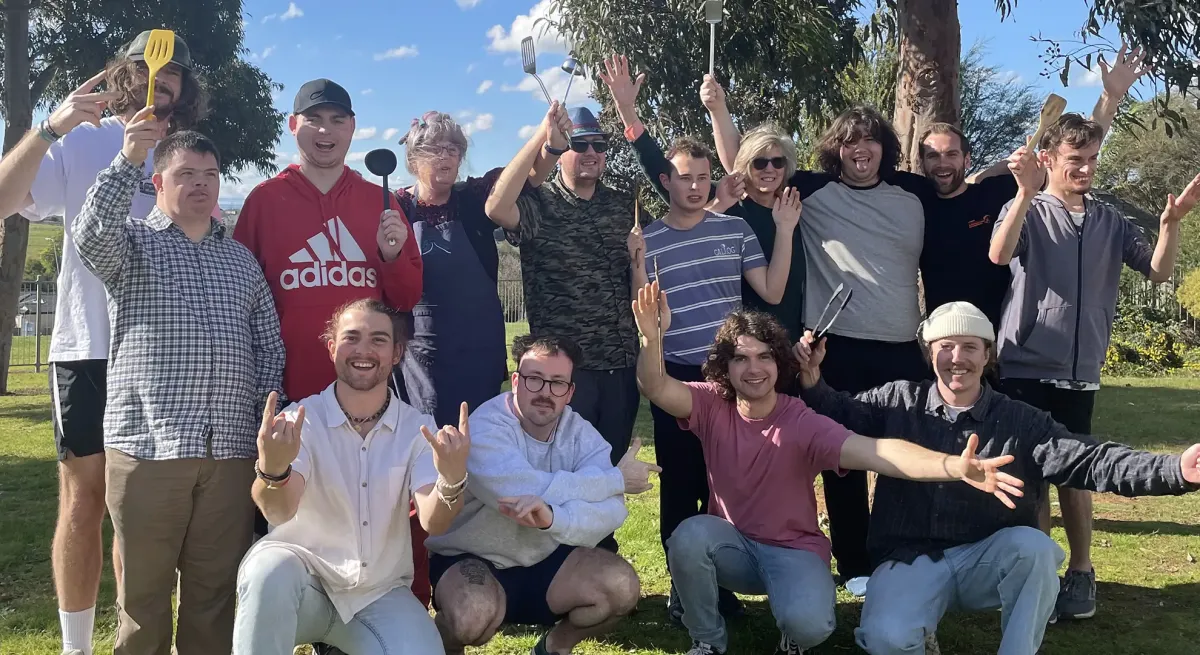
At TDAC, we design experiences that foster community. It’s not just about going somewhere—it’s about doing something together. Shared meals, team-based challenges, and campfire chats help create bonds that last far beyond the trip.
Yes, You Can Fund It Through the NDIS
If you’re wondering whether these kinds of mental health-focused adventures can be funded through the NDIS—the answer is yes!
Support for community access, physical wellbeing, and social participation are all areas that adventures can fall under.
At TDAC, we work closely with participants to align trips with their individual NDIS goals—whether that’s building confidence, meeting new people, or improving overall health and wellbeing.
We’re not just ticking boxes—we’re building experiences that change lives.
So, if you are exploring NDIS options, make sure you consider the positive mental health outcomes of outdoor adventures when you are planning support.
Final Thoughts: Adventure as Medicine
Adventures may not look like traditional therapy—but their impact on mental health is real. Time in nature, movement, and social connection are powerful ingredients for emotional wellbeing, especially for people with disabilities.
At TDAC, we believe that every person deserves the chance to feel joy, confidence, and freedom—and we see adventure as a way to access all three.
Ready to feel the mental health benefits of your next adventure? Get in touch with us now!
Sources
- Chang, Y, et al. (2019). Journal of Adventure Education and Outdoor Learning 19.1: 67-83.
- Department of Health and Aged Care (2021). Physical activity guidelines
- Freudenberg & Arlinghaus (2009). Leisure Sciences, 32(1), 55–71.
- Harper & Dobud (2024). OBM Integrative and Complementary Medicine; 9(4):065.
- McAvoy et al. (1989). Therapeutic Recreation Journal, 23(3), 50-64.
- Smith & Merwin (2021). Annual Review of Medicine 72.1: 45-62.