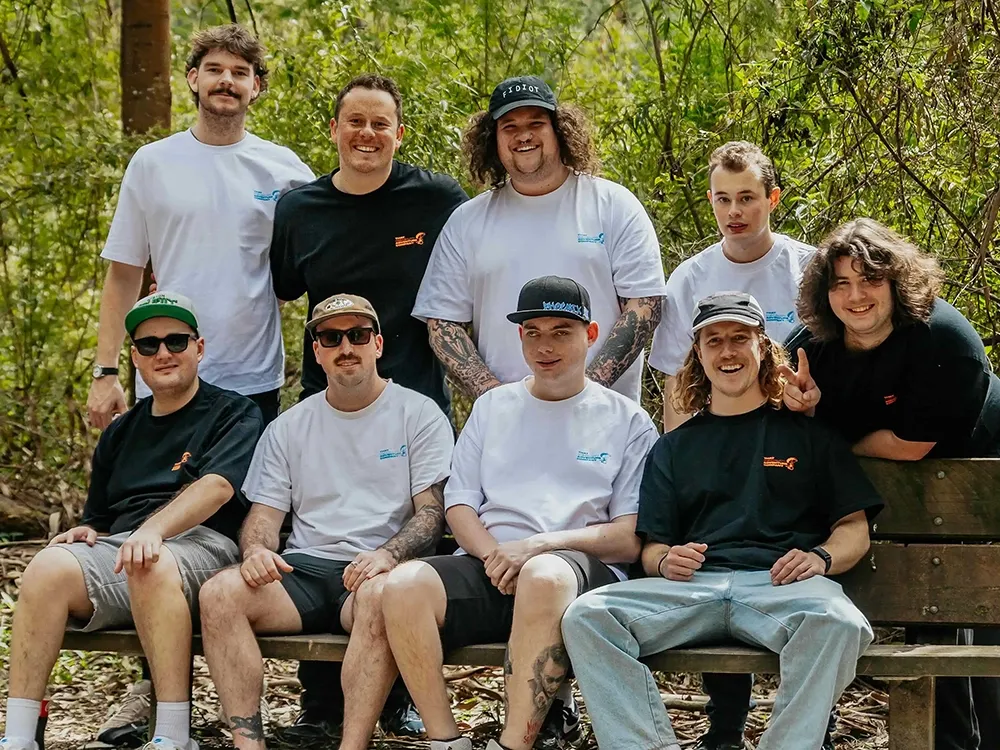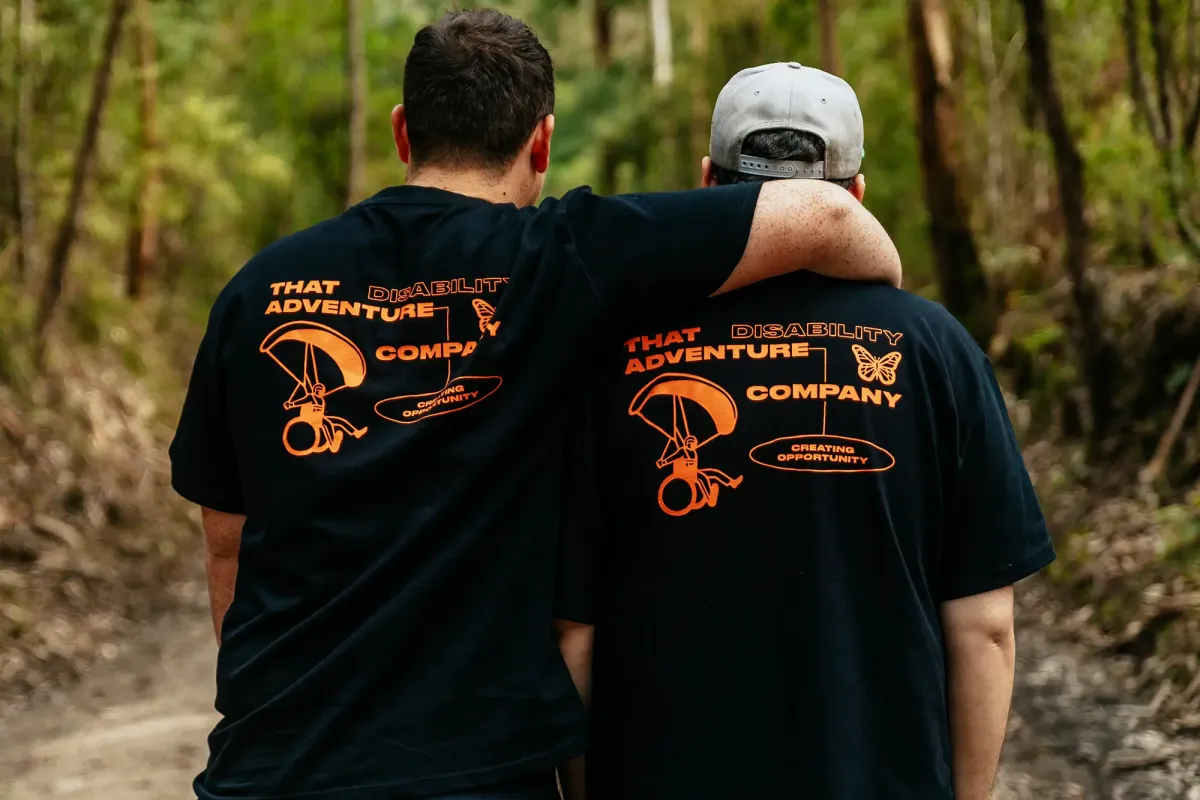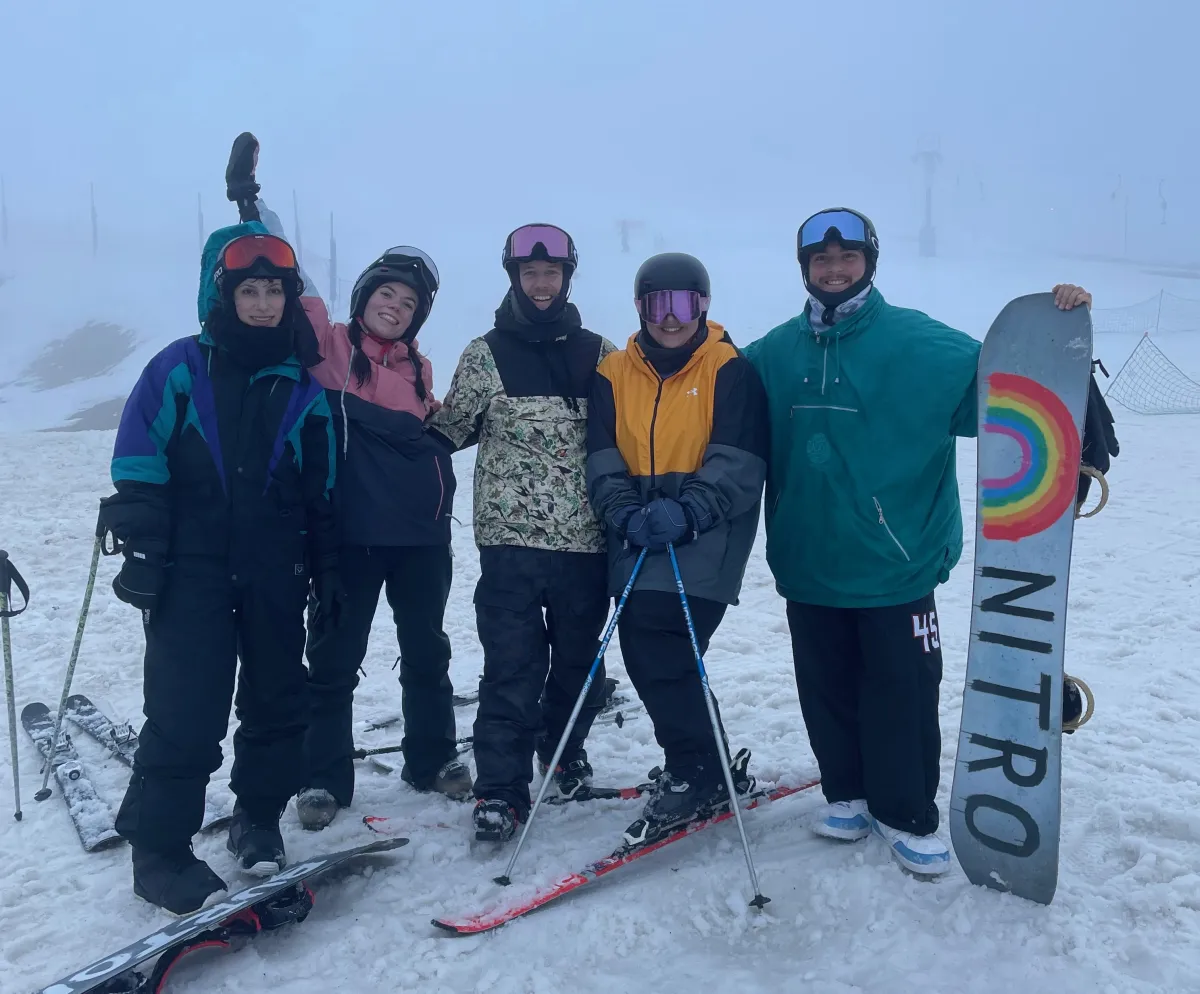

At TDAC, we live for planning adventures—but we understand that if you or a loved one has a disability, planning can feel a little overwhelming. From finding suitable accommodation to ensuring accessible transport, there are many details to consider.
But the good news is, with the right planning and support, accessible travel can be safe, enjoyable, and empowering for everyone.
Whether you’re new to travel or exploring with a disability for the first time, we’ve designed this step-by-step guide to help you confidently plan your next adventure. We’ll cover essential tips on planning, packing, and what to expect, with a special focus on accessible things to do in Melbourne and its surrounding areas in Victoria.
Step 1: Start with a Plan
Before you dive into bookings and itineraries, take time to plan around your specific needs. Ask yourself or your travel companion these key questions:
- What level of mobility support is needed, if any?
- Is specialised transport required?
- Are there specific medical needs or equipment to accommodate?
- Do you need the support of an NDIS disability support company?
Once you’ve identified your needs, start researching destinations that are known for their accessibility. Victoria offers a growing range of inclusive experiences, from beach matting at popular coastal spots to sensory-friendly museums and national parks with all-abilities trails.
Step 2: Research Destinations
Victoria is a fantastic place for accessible adventures. Check out our recent blog of our top things to do in VIC. Or, for even more inspiration, here’s a list of some of our recent adventures we’ve been on this year:
- Riviera Winter Wonderland and Ice Skating
- Titanic VR Experience
- Mount Baw Baw
- Chesterfield Farm
When researching our adventures, we look for locations that clearly state their accessibility features. If you’re planning your own trip, it’s a good idea to read reviews from other travellers with similar needs to get honest feedback.
If you like the look of our recent trips above, get in touch to join our next adventure and we’ll do the planning for you!
Step 3: Choose the Right Accommodation
When booking accommodation, don’t just rely on the “accessible” checkbox on a website. Always call or email to confirm specifics. Ask about:
- Step-free access and lifts
- Doorway widths for wheelchairs
- Roll-in showers or accessible bathrooms
- Proximity to public transport or medical services
- Quiet areas for socialising without over-stimulation
Step 4: Pack Smart
Packing for accessible travel often includes more than just clothes and toiletries. Consider these extras:
- Medications and prescriptions (plus backups)
- Mobility aids (plus spare batteries or parts)
- Travel documents, including your NDIS plan or emergency contacts
- Comfort items like cushions or noise-cancelling headphones
- A list of local disability support companies near your destination
Pro tip: Pack an “accessibility go-bag” with essentials you might need quickly—such as incontinence products, charging cables, or medical alert info.
Step 5: Organise Transport
Transport is a critical part of accessible travel. If you’re flying, contact your airline in advance to arrange assistance through the terminal and during boarding. Let them know about any mobility devices, oxygen tanks, or other needs.
For local travel, Victoria has many accessible taxis and rideshare services. Public transport—like trams, trains, and buses in Melbourne—is increasingly equipped with features for people with disabilities. You can also ask your NDIS provider for support coordinating travel.
Pro tip: If you are travelling with medications that need to be kept cool or refrigerated, consider a cool pack such as the Medactiv iCool MediCube—especially if flying.
Step 6: Know What to Expect
Even with the best planning, unexpected hiccups can happen. Being prepared makes all the difference. Here’s what to expect on your accessible adventure:
- Delays or extra time for transitions – build in buffer time
- Helpful locals and staff – don’t be afraid to ask for help
- Moments of joy and empowerment – from sunsets to gallery visits, embrace the adventure
Step 7: Reach Out for Support
If you’re new to accessible travel, get in touch to see if TDAC can help you plan your first adventure. We offer NDIS disability support services with a focus on accessible adventures and group activities. If you join a TDAC adventure we will:
- Coordinate transport and accommodation
- Provide a travel companion or support worker
- Help navigate emergencies or unexpected changes
Final Thoughts
Planning an accessible adventure takes time, but the rewards are worth it. With thoughtful preparation and the support of experienced NDIS providers such as TDAC, you can create meaningful memories and open the door to new experiences.
From tranquil farms to festivals, there are countless accessible things to do in VIC—your next great adventure could be just around the corner!